

Home » Services » Road Haulage

Bulk liquid road haulage, the length of the UK and beyond

The road side of the business is built around bulk liquids in tankers, supported by a fleet of modern Volvos and the occasional tautliner load when a regular customer asks.

Every driver is ADR qualified, and a number have been with us for more than twenty years. That experience matters, particularly when the load is hazardous, the route is unfamiliar, or the customer needs to know the person at the wheel has seen this kind of job before.

We split the road work into two clear strands. Hazardous and chemical liquids, where the credentials and the cover do most of the talking. And non-hazardous liquids, where the work is no less specialist but the regulatory load is lighter.

what we do

Our road work covers several specialist areas, from hazardous and chemical liquids to non-hazardous loads and traction work. Whatever the job, it’s handled with the same care and the same experienced drivers. Take a look at each below to find the one that fits your requirement.
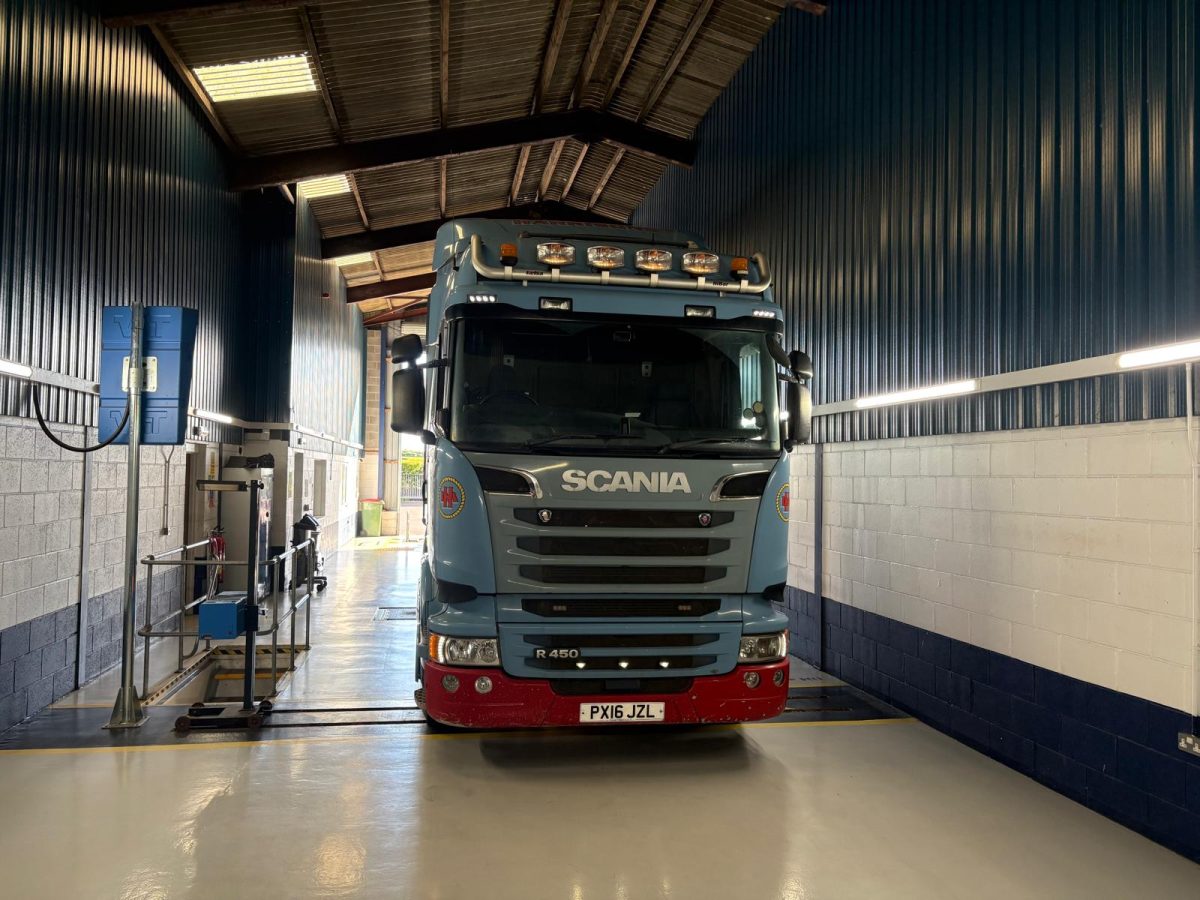
hgv testing on the same site

We run a DVSA-approved Authorised Testing Facility from the same yard, open to all operators, not just our own fleet. Suitable for HGVs, trailers and PSVs of any make.

for our fleet and yours

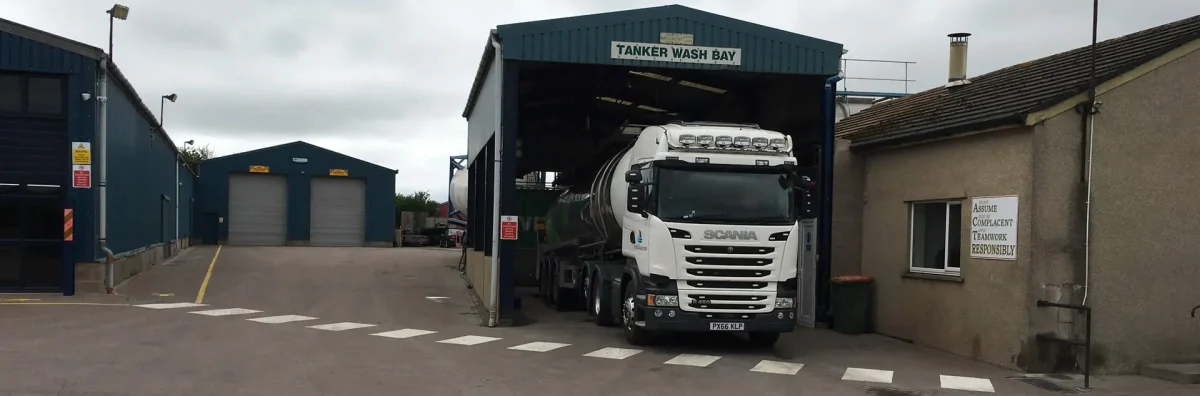
We clean our own tankers between loads, and we offer the same service to other operators. Chemical capable, with hot or cold potable water and a powerful hot-air dryer for powder tanks.
Enquire today
 
This website uses cookies
This site uses cookies to enhance your browsing experience. We use necessary cookies to make sure that our website works. We’d also like to set analytics cookies that help us make improvements by measuring how you use the site. By clicking “Allow All”, you agree to the storing of cookies on your device to enhance site navigation, analyse site usage, and assist in our marketing efforts.
These cookies are required for basic functionalities such as accessing secure areas of the website, remembering previous actions and facilitating the proper display of the website. Necessary cookies are often exempt from requiring user consent as they do not collect personal data and are crucial for the website to perform its core functions.
A “preferences” cookie is used to remember user preferences and settings on a website. These cookies enhance the user experience by allowing the website to remember choices such as language preferences, font size, layout customization, and other similar settings. Preference cookies are not strictly necessary for the basic functioning of the website but contribute to a more personalised and convenient browsing experience for users.
A “statistics” cookie typically refers to cookies that are used to collect anonymous data about how visitors interact with a website. These cookies help website owners understand how users navigate their site, which pages are most frequently visited, how long users spend on each page, and similar metrics. The data collected by statistics cookies is aggregated and anonymized, meaning it does not contain personally identifiable information (PII).
Marketing cookies are used to track user behaviour across websites, allowing advertisers to deliver targeted advertisements based on the user’s interests and preferences. These cookies collect data such as browsing history and interactions with ads to create user profiles. While essential for effective online advertising, obtaining user consent is crucial to comply with privacy regulations.